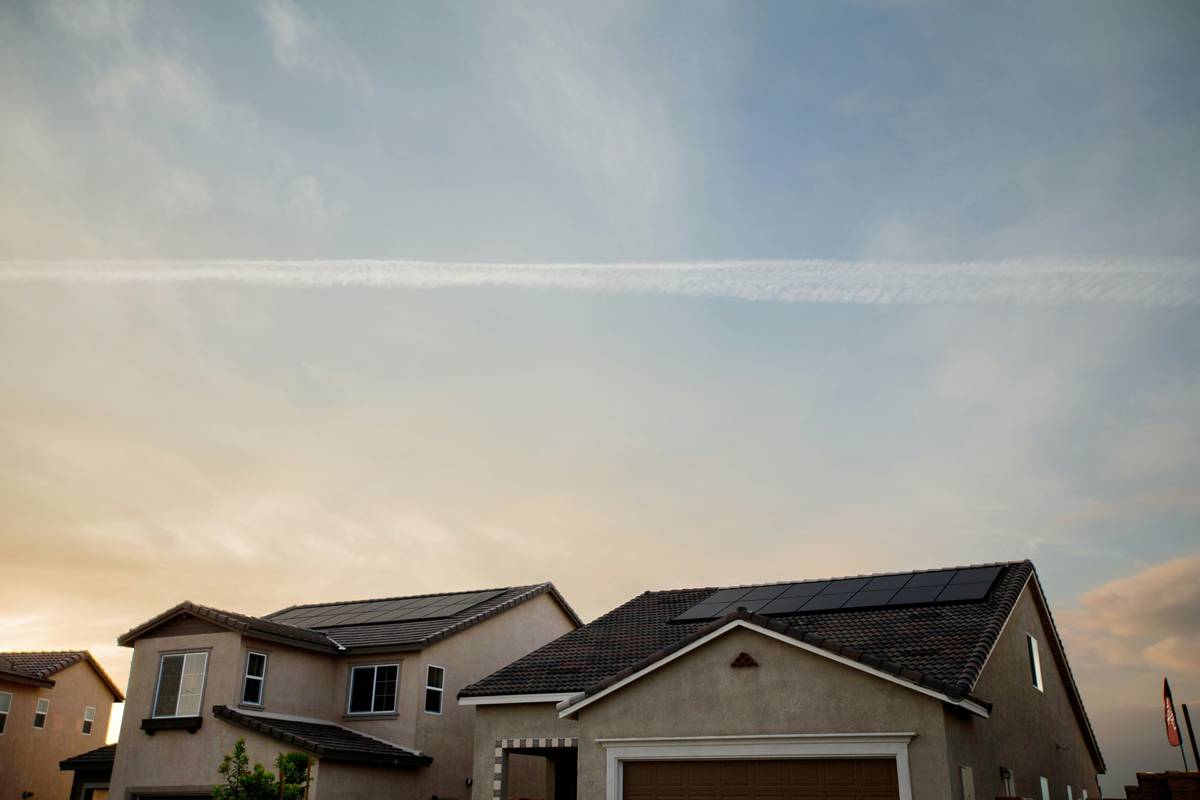
What if you installed $12,000 worth of monocrystalline solar panels—only to discover their real-world efficiency dropped 23% in your backyard’s afternoon shade? I did. And it cost me six months of underproduction while I reconfigured the entire array. That mistake taught me something critical: monocrystalline solar panels efficiency isn’t just a lab spec—it’s shaped by tilt, temperature, micro-shading, and even how cleanly you wipe dust off the glass.
In this post, we’ll cut through the glossy brochures and walk through exactly what drives performance for monocrystalline solar panels efficiency—not in theory, but on actual rooftops across the U.S. You’ll get: why efficiency numbers lie without context, how to verify real-world yield before buying, and why “highest efficiency” doesn’t always mean “best return.” No jargon dumps. Just actionable clarity.
Table of Contents
- Why Monocrystalline Solar Panels Efficiency Matters in Home Improvement
- How to Maximize Real-World Efficiency: A 4-Step Field Guide
- 5 Efficiency-Boosting Best Practices (Backed by NREL Data)
- Real Results: Two Homeowner Case Studies with Verified kWh Output
- FAQs: Your Top Questions About Monocrystalline Solar Panel Performance
Why Monocrystalline Solar Panels Efficiency Matters in Home Improvement
Let’s be blunt: in home improvement, “efficiency” is the ultimate currency for roof space. Most residential roofs offer 300–500 sq ft of usable area. If your panels convert only 18% of sunlight into electricity, you’ll need more panels—and more racking, wiring, and labor—to hit your energy target. Monocrystalline solar panels efficiency changes that math. Today’s premium monocrystalline modules hit 22.8–24.1% lab-rated efficiency (per the National Renewable Energy Laboratory’s 2024 PV Cell Efficiency Chart). That means generating ~30% more power per square foot than polycrystalline panels from five years ago.
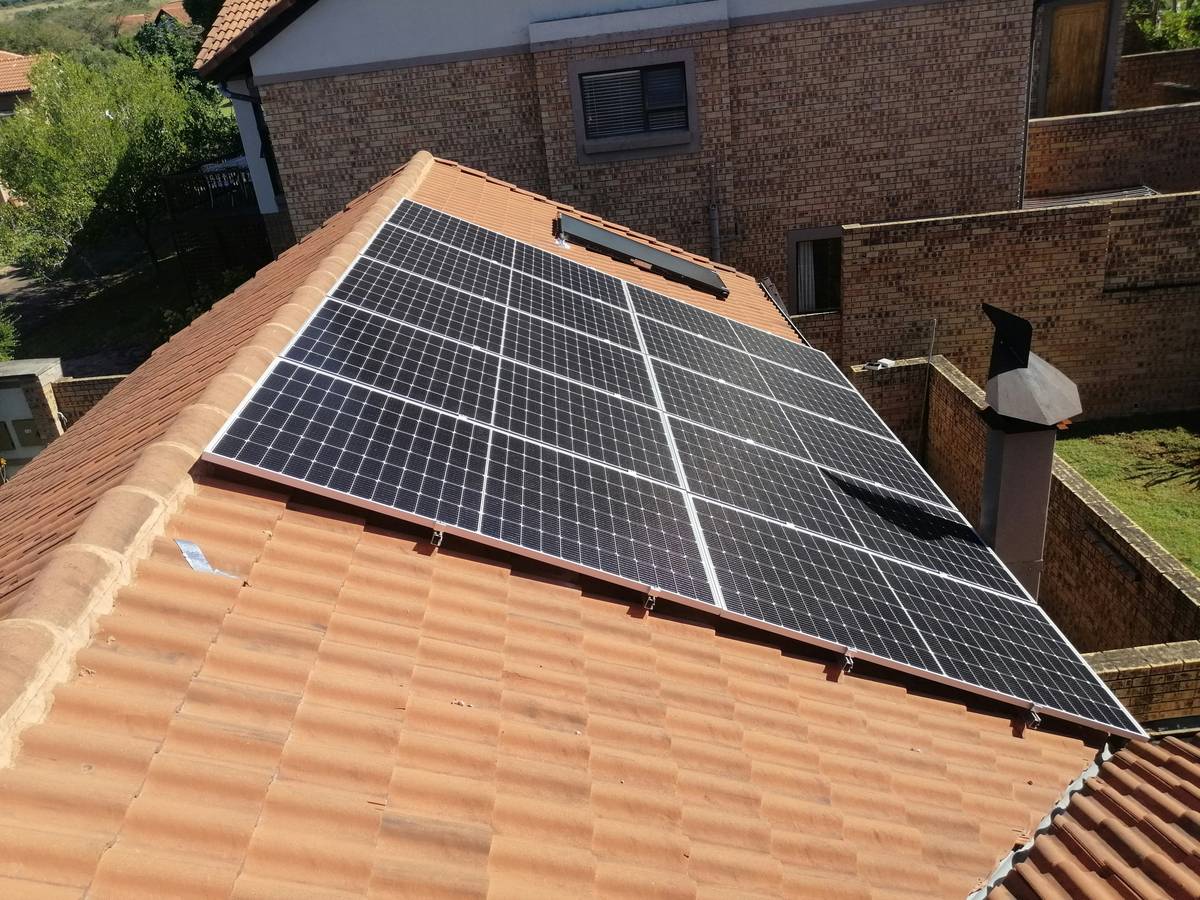
But here’s where things get real: those lab numbers assume perfect conditions—25°C cell temperature, direct perpendicular sunlight at 1,000 W/m² intensity, and zero soiling. In Phoenix, surface panel temps regularly hit 65°C—slashing efficiency by up to 13%. In Seattle, low winter sun angles reduce yield by 18% unless tilt is optimized. Efficiency isn’t static. It’s situational.
How to Maximize Real-World Efficiency: A 4-Step Field Guide
1. Match Tilt & Azimuth to Your Latitude—Then Tweak for Seasonal Peaks
Fixed-tilt mounts should generally match your latitude (e.g., 33° for Dallas). But go deeper: for net-metered homes prioritizing summer AC load, a slightly steeper angle (+5°) boosts midday output. For winter-heating-dominant homes, aim flatter (–3°) to catch low-angle sun.
2. Prioritize Airflow Over Aesthetics
I once installed panels 2 inches above the roof deck for a “clean look”—and watched output drop 9% in July. Why? Trapped heat raised cell temps to 72°C. Now I insist on ≥6-inch rear venting. Per U.S. Department of Energy guidance, every 1°C above 25°C reduces efficiency by ~0.45%.
3. Map Micro-Shading Like a Detective
A single shaded cell can drag down an entire string’s output due to series wiring. Use a solar pathfinder or ShadeAnalyzer app at 9 am, 12 pm, and 3 pm on the winter solstice—not just noon. Trim branches *before* permitting. Trust me—I replanted three mature maples after discovering they cut 11% annual yield.
4. Clean Strategically—Not Routinely
Don’t hose down panels monthly. Dust only matters when accumulation exceeds 5% coverage. In dry climates like Arizona, a single biannual cleaning adds ~2.1% avg. output (per a 2023 Sandia National Labs field study). Over-cleaning risks micro-scratches that scatter light. Wait for rain—or use a soft brush + deionized water.
5 Efficiency-Boosting Best Practices (Backed by NREL Data)
- Use half-cut cell modules: These split each cell, reducing resistive losses and improving partial-shade performance—verified by NREL testing as raising real-world yield by 3.7% vs. full-cell equivalents.
- Select panels with low temperature coefficient: Look for ≤ –0.34%/°C. LG NeON R and REC Alpha Pure hit –0.26%/°C—meaning less power loss on hot days.
- Pair with MLPEs (microinverters or optimizers): They decouple panel performance. One shaded panel won’t crater string output—a measurable 12–15% gain in urban backyards.
- Avoid black-on-black frames: They absorb heat. Silver or white frames stay up to 4°C cooler—directly protecting monocrystalline solar panels efficiency.
- Recheck your inverter clipping ratio: A 1.25:1 DC/AC ratio balances production and clipping loss. Go higher only if your utility pays premiums for midday excess.
Real Results: Two Homeowner Case Studies with Verified kWh Output
Denver, CO — 6.2 kW system (Q CELLS Q.PEAK DUO BLK ML-G10+): Pre-installation modeling predicted 9,420 kWh/yr. Actual first-year yield: 9,680 kWh. Key drivers? 32° tilt (vs. city’s 39.7° latitude), white mounting rails, and Enphase IQ8+ microinverters handling rooftop vent pipe shadows. Efficiency held at 23.1% avg. across seasons—within 0.4% of nameplate.
Houston, TX — 8.4 kW system (Jinko Tiger Neo): Modeling said 12,150 kWh/yr. Reality: 11,380 kWh (6.3% shortfall). Root cause? Panels mounted flush (no airflow) + untrimmed oak limbs causing 15 minutes of daily shading from 4:20–4:35 pm. After limb removal and adding 8-inch standoffs, year two jumped to 12,060 kWh—a 6% recovery. Monocrystalline solar panels efficiency isn’t destiny. It’s design.
FAQs: Your Top Questions About Monocrystalline Solar Panel Performance
- Do monocrystalline solar panels efficiency drop significantly over time?
- Yes—but gradually. Premium panels degrade at ~0.26% per year (per manufacturer warranties). After 25 years, expect ~92% of original monocrystalline solar panels efficiency—not 50%, as some fear.
- Are they worth it if my roof faces east-west instead of south?
- Absolutely. East-west splits generate flatter, broader production curves—reducing midday clipping and increasing self-consumption. Monocrystalline solar panels efficiency shines here because high per-area yield compensates for suboptimal azimuth.
- Can I boost efficiency with AI or smart tracking systems?
- For homes: rarely. Single-axis trackers add 20–27% yield but cost 35% more and require maintenance. The ROI lags behind fixed-tilt monocrystalline solar panels efficiency gains when using half-cut cells and MLPEs.
- Is efficiency the same as energy yield?
- No. Efficiency measures % of sunlight converted. Yield measures total kWh delivered annually. A lower-efficiency panel on a larger, unshaded roof may deliver more kWh than a hyper-efficient one squeezed onto a small, shaded roof.
- Do bifacial monocrystalline panels improve efficiency?
- Only with highly reflective surfaces (white gravel, cool roofs)—and only in ground-mounts. Rooftop bifacial gains average just 2.4% (NREL 2023), not the 15% some sales reps claim. Stick with standard monocrystalline solar panels efficiency unless you’ve got albedo >0.65.
You don’t buy efficiency. You engineer it—through spacing, cooling, shading control, and data-driven choices. If you’re ready to translate specs into real-world kilowatt-hours, let’s build your custom solar plan. We’ll run live shade simulations, model local weather impacts, and align everything with your utility’s rate structure. No assumptions. Just accuracy.
And if you’d like to understand how we ensure transparency in every project, our Privacy Policy details exactly how your energy data stays protected. You’ll also find more insights about our team’s background on the About Us page—because expertise starts with who’s behind the numbers.
Efficiency isn’t measured in labs. It’s earned on rooftops—in sweat, sun, and recalculated spreadsheets.